If you walked into our Practically Family Holiday Club, you might see something that looks deceptively simple.
A tray filled with coloured rice and tiny treasure chests.
A table scattered with sticks, string and pinecones.
A pile of cardboard boxes next to tape and markers.
A mysterious potion station bubbling away in the corner.
And the children?
They’re completely absorbed. No one has told them exactly what to do. No one has handed them step-by-step instructions. Instead, they’ve been given something much more powerful… An invitation to play.
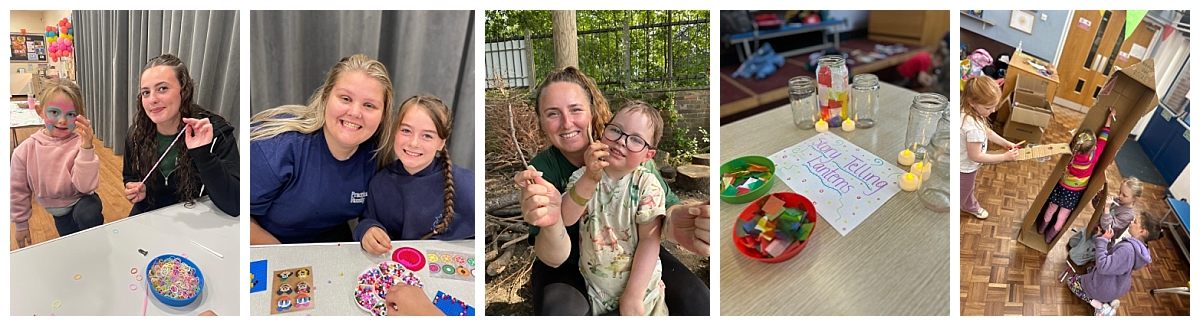
An invitation to play is exactly what it sounds like: a thoughtfully prepared play setup that gently invites children to explore, imagine and create in their own way.
Rather than directing the activity, we create an environment that sparks curiosity. The materials are there. And the children decide what happens next. It might become a pirate treasure hunt. A fairy potion laboratory. A construction site. Or something we could never have predicted. That’s the magic of it.
For children, play isn’t just fun - it’s how they make sense of the world. Especially for younger children, play is their way of experimenting, testing ideas and figuring things out.
When children are actively involved in play they naturally develop:
Because the learning isn’t forced. It happens naturally while they’re busy having fun. It’s a bit like the difference between reading a recipe and actually cooking the meal. Children learn best when they’re hands-on, curious and fully involved.
One of the most powerful parts of invitation to play is that it gives children choice.
Instead of being told exactly what to do, they decide:
For some children that might mean building an elaborate marble run. For others it might mean quietly creating a fairy world with leaves and pebbles. Both are equally valuable. Having the freedom to make decisions helps children develop confidence, independence and decision-making skills - all while feeling trusted and capable.
Another lovely thing that happens with invitation to play is how it naturally brings children together. When there’s a shared play setup, children start interacting with each other in ways that go beyond simply playing side by side.
They might:
These moments build important social skills, including teamwork, communication and cooperation. And often, friendships grow from exactly these kinds of shared play experiences.
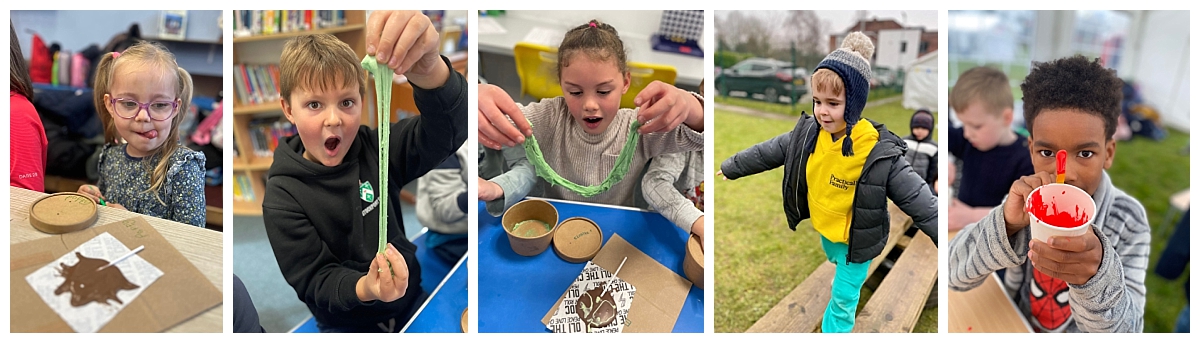
Intentional play is woven into everything we do at Practically Family Holiday Club. Sometimes it looks like a carefully prepared tuff tray full of sensory materials. Sometimes it’s a creative craft station filled with open-ended materials like fabric, cardboard, tape and paint. Sometimes it’s as simple as logs, sticks and rope in the woods, which somehow turn into dens, obstacle courses or imaginary kingdoms.
Here are a few examples of how invitations to play might look across different ages.
For our youngest adventurers (ages 3–4)
You might see:
At this age children love exploring textures, pouring, scooping and discovering. These activities help build fine motor skills, language and curiosity.
For children aged 5–8
The play often becomes more imaginative and collaborative.
You might see:
This is when storytelling and creativity really come to life. Children experiment with ideas, build elaborate worlds and invite others to join their games.
For our older explorers (ages 8+)
Older children often take invitations to play in completely unexpected directions.
Give them a few simple materials and suddenly you might have:
At this age, teamwork and problem solving become a big part of the play.
Behind every invitation to play is a skilled team carefully supporting children’s curiosity and learning and gently encouraging them to take their ideas further.
You might hear them ask things like:
“What could you try next?”
“How could we make that stronger?”
“I wonder what would happen if…?”
These small prompts encourage children to stretch their thinking without taking control of the play. Because every child is different. Some children need a little encouragement to try something new. Others are bursting with ideas and just need the space to run with them.
Our team are brilliant at spotting those moments and helping each child grow their confidence, develop their ideas and take their play further. It means the fun keeps evolving - and the learning grows naturally along with it.
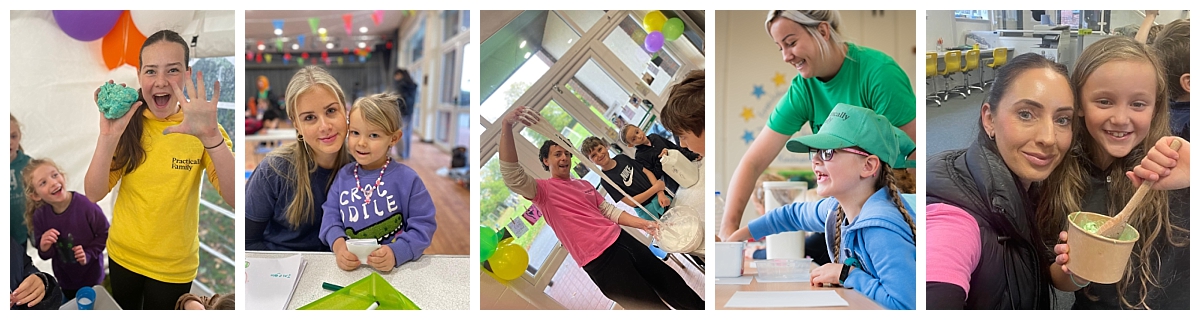
Many holiday clubs offer a mix of structured activities and organised games, which children often enjoy. At Practically Family, we also place a strong emphasis on child-led play. Alongside our planned activities, we create opportunities for children to explore their own ideas, follow their curiosity and shape their play in ways that feel meaningful to them.
This balance allows children to enjoy exciting experiences while also developing creativity, independence and confidence.
Invitation to play allows children to:
Most importantly, it shows children something powerful:
We trust you.
We trust your ideas.
Your imagination.
Your ability to figure things out.
And children absolutely rise to that trust.
Another important part of invitation to play is learning that things don’t always work the first time.
Maybe the tower falls down. Maybe the potion doesn’t fizz the way they hoped. Maybe the marble run needs redesigning. These moments are incredibly valuable because they help children build resilience. They learn to try again. To problem solve. To adapt their ideas.
And when they finally make it work, the pride on their faces is priceless.
The magic ingredient: curiosity
At Practically Family we believe curiosity is one of the most powerful tools children have. Invitation to play keeps that curiosity alive. It gives children the space to wonder, experiment and create in ways that feel meaningful to them. It’s one of the reasons families choose our holiday clubs in Stockport, Cheadle Hulme and nearby Bramhall.
Because when children are curious, engaged and happy… that’s when the best learning happens. And the best memories too.
We regularly share behind-the-scenes insights from Holiday Club, parenting inspiration and updates about upcoming adventures.
Join the Practically Family newsletter to hear about new blog posts, Holiday Club dates and exciting plans first.
Sign up to our newsletter.
A tray filled with coloured rice and tiny treasure chests.
A table scattered with sticks, string and pinecones.
A pile of cardboard boxes next to tape and markers.
A mysterious potion station bubbling away in the corner.
And the children?
They’re completely absorbed. No one has told them exactly what to do. No one has handed them step-by-step instructions. Instead, they’ve been given something much more powerful… An invitation to play.
So what is an invitation to play?
An invitation to play is exactly what it sounds like: a thoughtfully prepared play setup that gently invites children to explore, imagine and create in their own way.
Rather than directing the activity, we create an environment that sparks curiosity. The materials are there. And the children decide what happens next. It might become a pirate treasure hunt. A fairy potion laboratory. A construction site. Or something we could never have predicted. That’s the magic of it.
Why play like this matters
For children, play isn’t just fun - it’s how they make sense of the world. Especially for younger children, play is their way of experimenting, testing ideas and figuring things out.
When children are actively involved in play they naturally develop:
- problem-solving skills
- creativity and imagination
- language and communication
- early maths and literacy skills
- confidence and independence
Because the learning isn’t forced. It happens naturally while they’re busy having fun. It’s a bit like the difference between reading a recipe and actually cooking the meal. Children learn best when they’re hands-on, curious and fully involved.
Choice builds confidence
One of the most powerful parts of invitation to play is that it gives children choice.
Instead of being told exactly what to do, they decide:
- what to make
- how to use the materials
- who to play with
- where the story goes next
For some children that might mean building an elaborate marble run. For others it might mean quietly creating a fairy world with leaves and pebbles. Both are equally valuable. Having the freedom to make decisions helps children develop confidence, independence and decision-making skills - all while feeling trusted and capable.
Learning to play together
Another lovely thing that happens with invitation to play is how it naturally brings children together. When there’s a shared play setup, children start interacting with each other in ways that go beyond simply playing side by side.
They might:
- collaborate to build a giant tower
- invent a shared story or game
- negotiate who plays which role
- solve problems together
These moments build important social skills, including teamwork, communication and cooperation. And often, friendships grow from exactly these kinds of shared play experiences.
What this looks like at Practically Family
Intentional play is woven into everything we do at Practically Family Holiday Club. Sometimes it looks like a carefully prepared tuff tray full of sensory materials. Sometimes it’s a creative craft station filled with open-ended materials like fabric, cardboard, tape and paint. Sometimes it’s as simple as logs, sticks and rope in the woods, which somehow turn into dens, obstacle courses or imaginary kingdoms.
Here are a few examples of how invitations to play might look across different ages.
For our youngest adventurers (ages 3–4)
You might see:
- coloured rice with hidden treasure
- animal figures in sensory trays
- water play with cups, funnels and floating objects
At this age children love exploring textures, pouring, scooping and discovering. These activities help build fine motor skills, language and curiosity.
For children aged 5–8
The play often becomes more imaginative and collaborative.
You might see:
- potion mixing stations
- junk modelling construction zones
- fairy gardens or dinosaur worlds
This is when storytelling and creativity really come to life. Children experiment with ideas, build elaborate worlds and invite others to join their games.
For our older explorers (ages 8+)
Older children often take invitations to play in completely unexpected directions.
Give them a few simple materials and suddenly you might have:
- an engineering challenge
- a marble run spanning three tables
- an entire game invented from scratch
At this age, teamwork and problem solving become a big part of the play.
The role of our team (this is where the magic really happens)
Behind every invitation to play is a skilled team carefully supporting children’s curiosity and learning and gently encouraging them to take their ideas further.
You might hear them ask things like:
“What could you try next?”
“How could we make that stronger?”
“I wonder what would happen if…?”
These small prompts encourage children to stretch their thinking without taking control of the play. Because every child is different. Some children need a little encouragement to try something new. Others are bursting with ideas and just need the space to run with them.
Our team are brilliant at spotting those moments and helping each child grow their confidence, develop their ideas and take their play further. It means the fun keeps evolving - and the learning grows naturally along with it.
Why it sets Practically Family apart
Many holiday clubs offer a mix of structured activities and organised games, which children often enjoy. At Practically Family, we also place a strong emphasis on child-led play. Alongside our planned activities, we create opportunities for children to explore their own ideas, follow their curiosity and shape their play in ways that feel meaningful to them.
This balance allows children to enjoy exciting experiences while also developing creativity, independence and confidence.
Invitation to play allows children to:
- follow their own curiosity
- express their creativity
- build confidence and independence
- develop friendships through shared play
Most importantly, it shows children something powerful:
We trust you.
We trust your ideas.
Your imagination.
Your ability to figure things out.
And children absolutely rise to that trust.
When play doesn’t go to plan
Another important part of invitation to play is learning that things don’t always work the first time.
Maybe the tower falls down. Maybe the potion doesn’t fizz the way they hoped. Maybe the marble run needs redesigning. These moments are incredibly valuable because they help children build resilience. They learn to try again. To problem solve. To adapt their ideas.
And when they finally make it work, the pride on their faces is priceless.
The magic ingredient: curiosity
At Practically Family we believe curiosity is one of the most powerful tools children have. Invitation to play keeps that curiosity alive. It gives children the space to wonder, experiment and create in ways that feel meaningful to them. It’s one of the reasons families choose our holiday clubs in Stockport, Cheadle Hulme and nearby Bramhall.
Because when children are curious, engaged and happy… that’s when the best learning happens. And the best memories too.
Want more ideas like this?
We regularly share behind-the-scenes insights from Holiday Club, parenting inspiration and updates about upcoming adventures.
Join the Practically Family newsletter to hear about new blog posts, Holiday Club dates and exciting plans first.
Sign up to our newsletter.
Practically Family
07939 942334 (during Holiday Club weeks only)